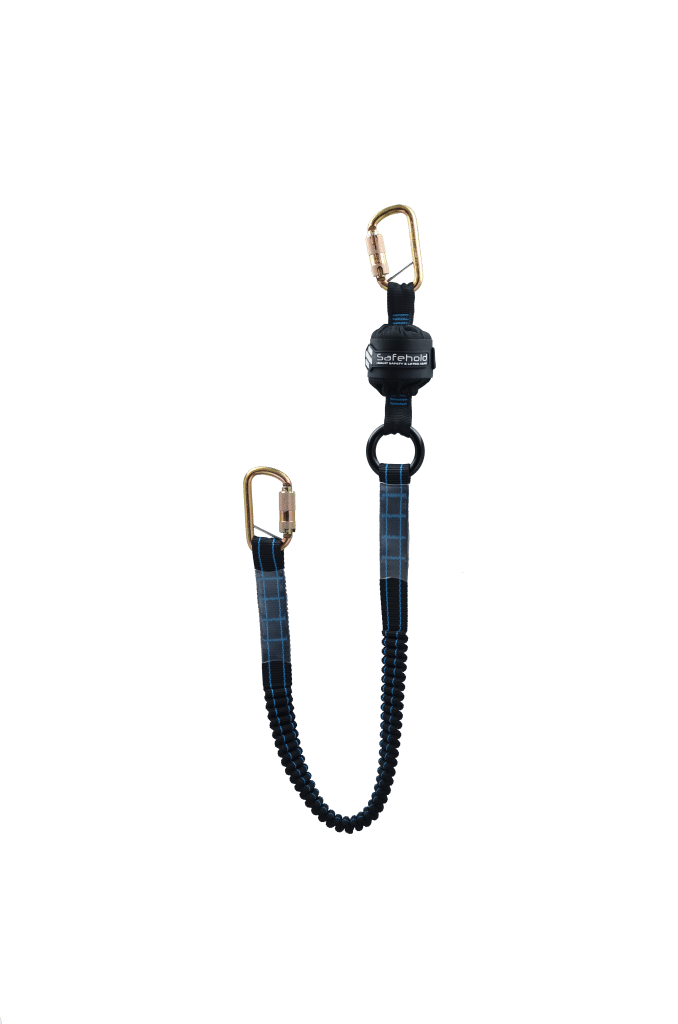
At Safehold, we’re committed to making safety simple and effective — our new lanyard inspection visual guide is available for download.
Please click the links below to download the visual poster
Having read with great interest the piece written by LEEA on the price pressures resulting from the conflict across the Middle East, I would like to add some meat to the bones of Ross Moloney’s thoughts, with the benefit of my experience.
This includes being CEO of Safehold Limited, a specialist provider of height safety and lifting equipment based in Kent, England. We provide products in a variety of markets, both by sub-sector, function and geography. In previous roles I have worked for large corporates, and my experience also covers buying and selling businesses.
All of us in the industry know that this situation is evolving quickly, not by the week or the month, but by the day and sometimes by the hour. The ‘feel’ of the marketplace reminds me of the pandemic of 2020. There really is that level of uncertainty.
What may appear to be a distant geopolitical conflict is already sending shockwaves through global supply chains, particularly those linked to petrochemicals, synthetic materials and steel used in lifting equipment.
One of the most important factors is the instability around the Strait of Hormuz, one of the world’s most critical energy corridors. Roughly 20 million barrels of oil per day pass through this narrow shipping route, representing around 20% of global petroleum consumption.
When disruption occurs here, the consequences ripple across the global economy.
Recent energy market reports show oil prices surging sharply because of the conflict, with Brent crude, at times, approaching $100 per barrel, creating significant volatility in global markets.
For our industry, this matters for a simple reason: polyester and many synthetic fibres used in lifting slings, harnesses and safety equipment are derived from petrochemicals. When oil prices rise sharply, the cost pressure moves quickly through the supply chain:
Oil → Petrochemicals → Polyester yarn → Webbing → Finished lifting equipment
Across global chemical markets, analysts report that dozens of petrochemical products have already surged in price, with some commodities rising by more than 60% in a single week due to feedstock shortages and shipping disruptions. We are now seeing the impact first-hand.
In recent days, yarn producers have increased prices dramatically, forcing some weaving partners to pause new production while they assess costs and supply stability.
This is not isolated to one region. From Asia to Europe, the same pattern is emerging: raw material prices rising; shipping routes becoming longer; freight costs increasing; and lead times extending.
As a result, the industry should expect surcharges on future orders, potential delays and, in some cases, restrictions on supply.
The important point I wish to make is this: it would be easy when reading this to regard it simply as the moaning of a manufacturer who should just cut his costs. But the reality is that these pressures are well into the double digits already, and who knows what the future might hold? Those of us who design, make and provide products work on tight margins. These seismic shifts and pressures are not just happening a flight away, they are affecting our businesses, our employment and our living standards.
And so my plea to the market is to adopt a collaborative mindset to overcoming the, hopefully temporary, price shocks and impacts on supply that we are seeing.
In his article, Ross mentioned the PPE scandals of the Covid era, when in understandable desperation, government procurement policies were allegedly put to one side. It is true that product arrived – but we now know that it was sub-standard and amounted to a huge waste of money.
There is a possible lesson for us here. LEEA members join the Association due to its commitment to values around best practice, compliance and raising standards. In times such as these there is a danger that values become eroded under strain. We must believe in our core values, that quality matters and deliver to our assured high standards.
We are in tough times. Partnership and relationships are the way through them. Lifting is a team game, now is the time to pull together with trusted colleagues and push forward in unison.
We are bound together by our common standards and approach to risk management. That principle matters more than ever right now. While conflict brings immediate devastation to the regions directly affected, its consequences go far beyond the battlefield, into industries, supply chains and businesses across the world.
Safehold Ltd has issued a formal notice to the market following concerns that proprietary engineering materials and development documents relating to its height-safety products may have been circulated or offered without authorisation from Safehold Ltd.
Safehold is the legal owner of all intellectual property created during its product development programmes, including technical drawings, CAD data, prototypes, branding assets and internal R&D materials. These works are protected under UK and foreign IP law, and the majority form part of granted patents or pending patent applications.
The company has not granted any rights or licences for third-party use, sale or distribution of these assets.
Safehold urges any organisation or individual who has been approached with design files, concepts or documentation relating to Safehold products to contact the company immediately.
Safehold Ltd
All information will be treated confidentially
Please click the below link for full notice:
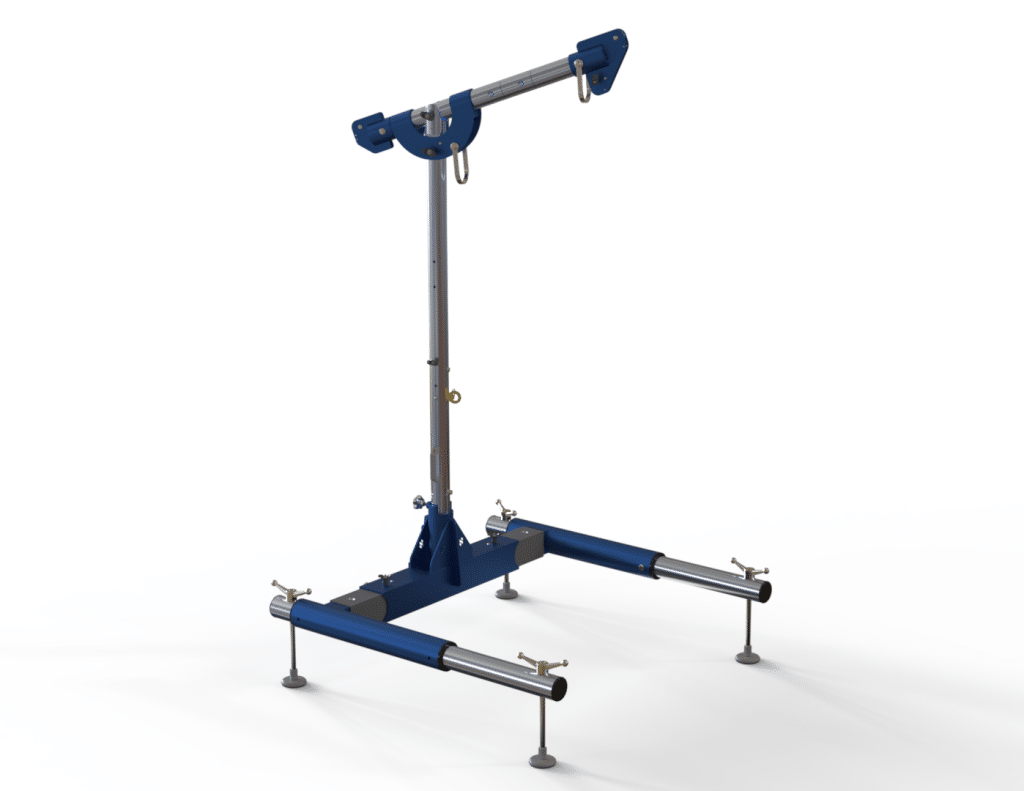
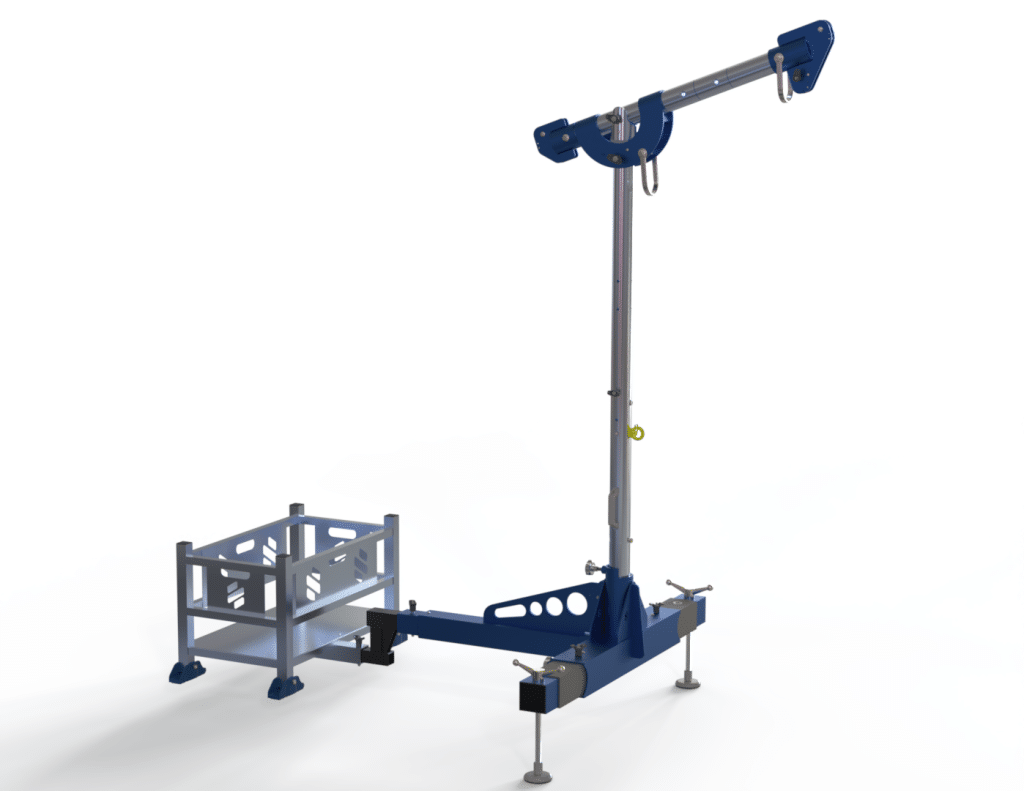
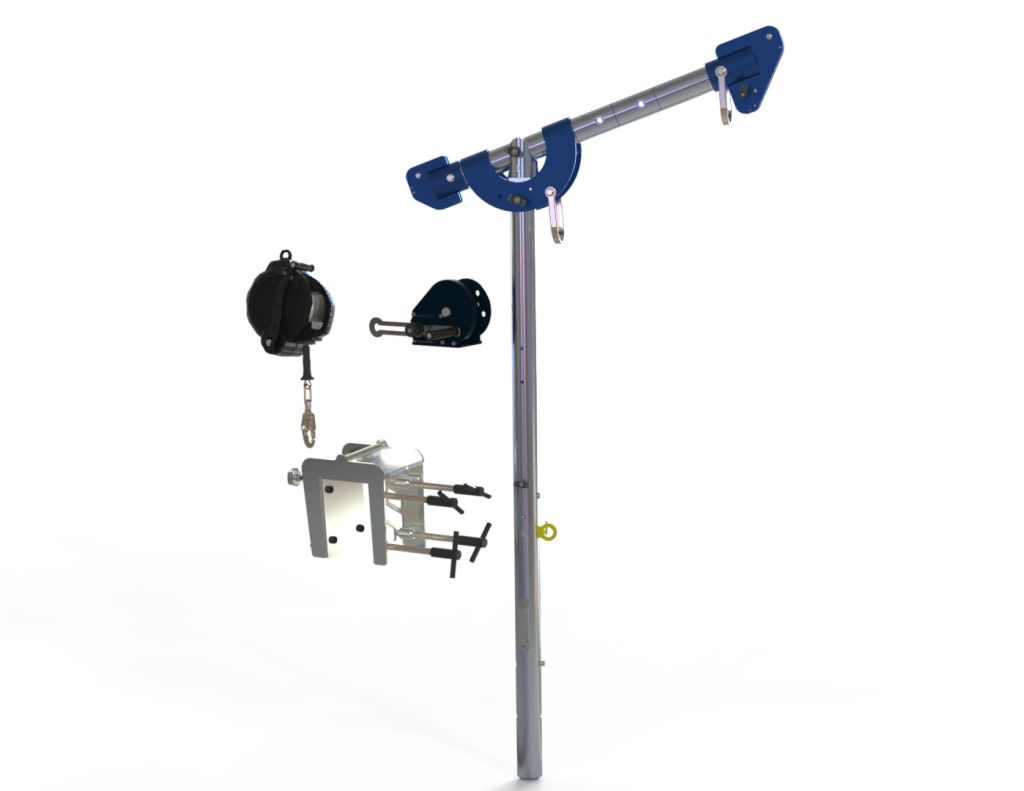
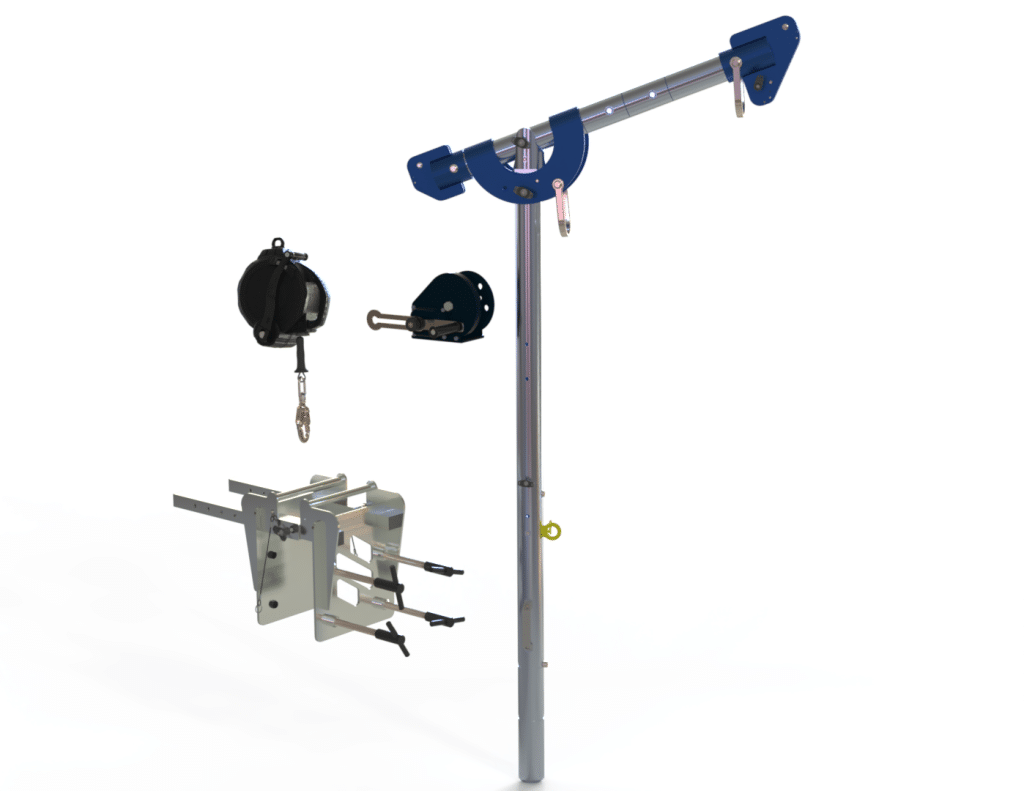
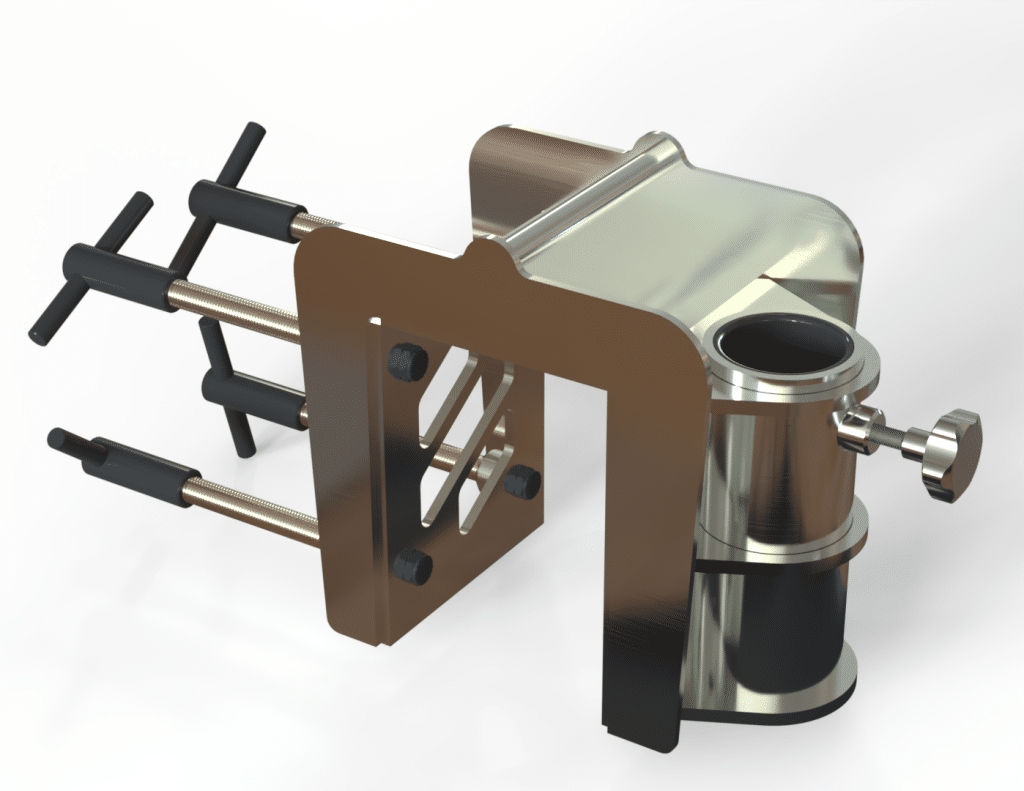
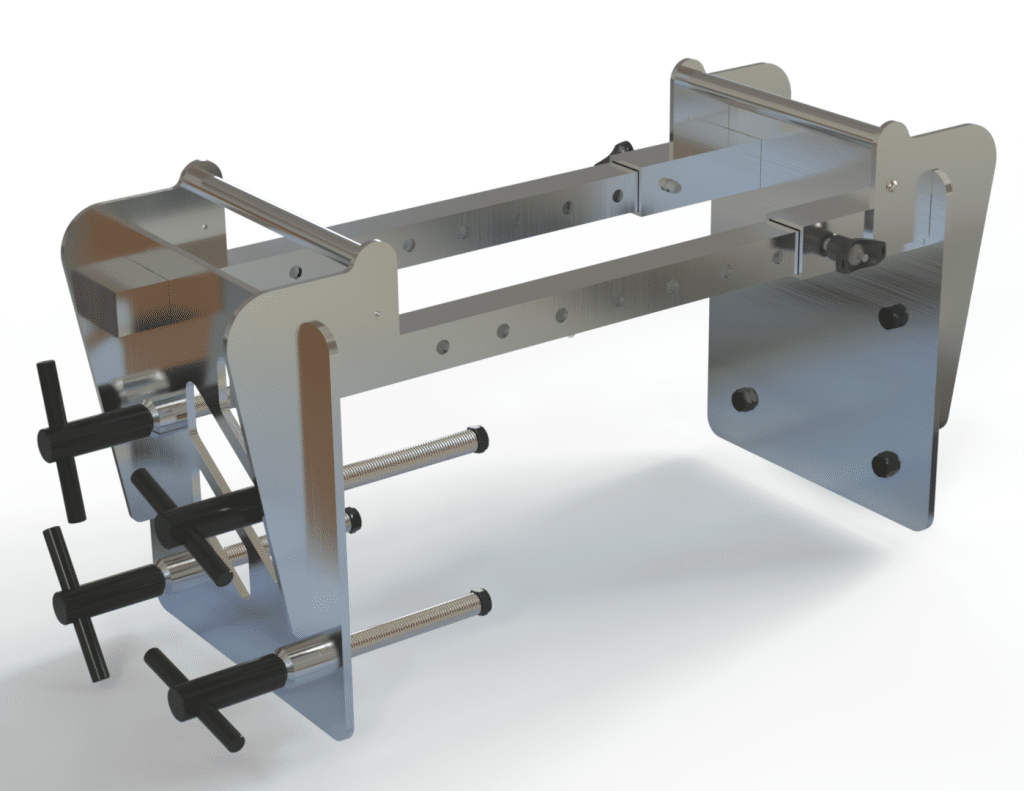
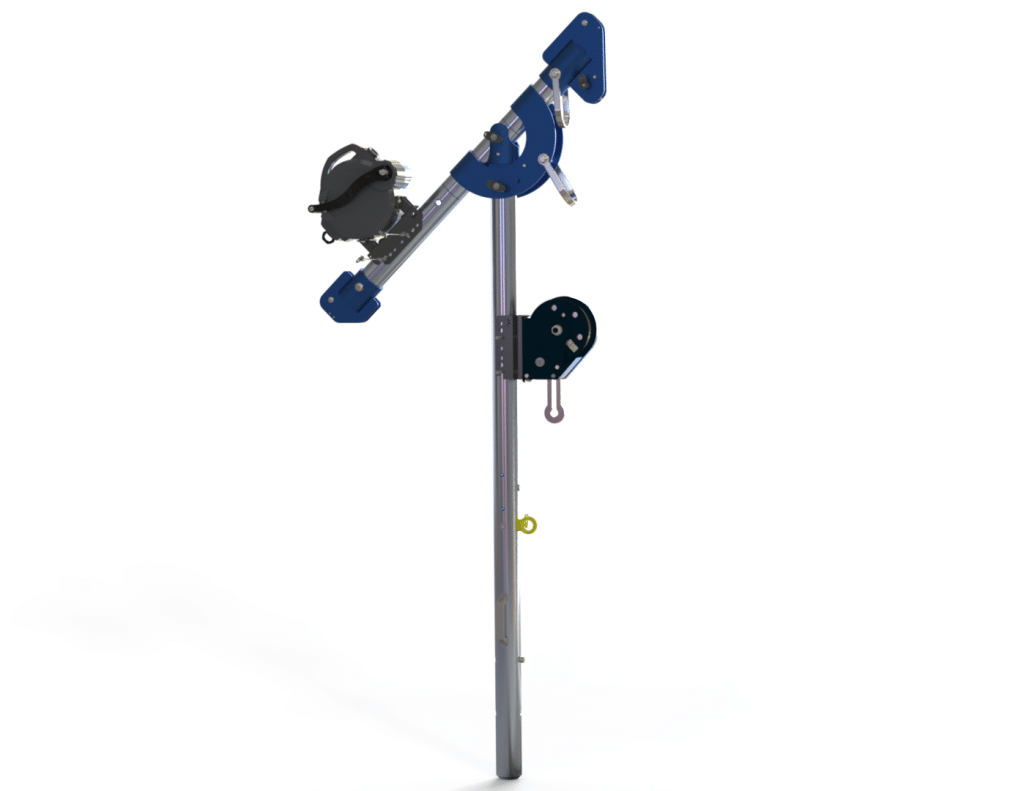
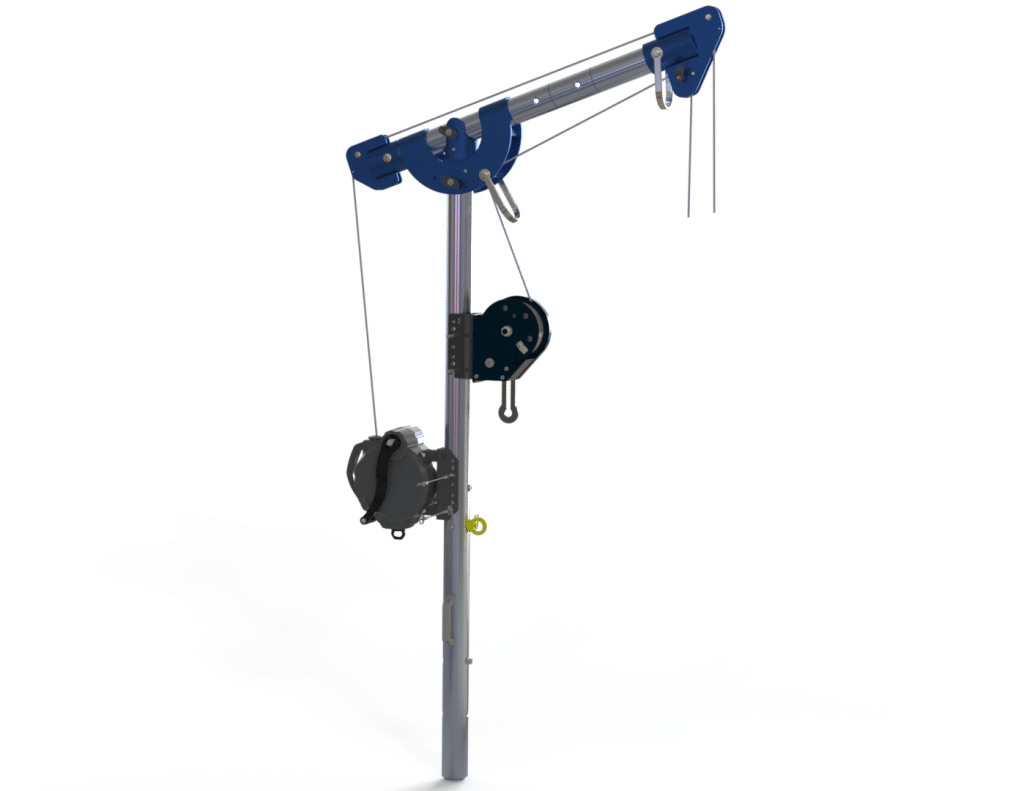
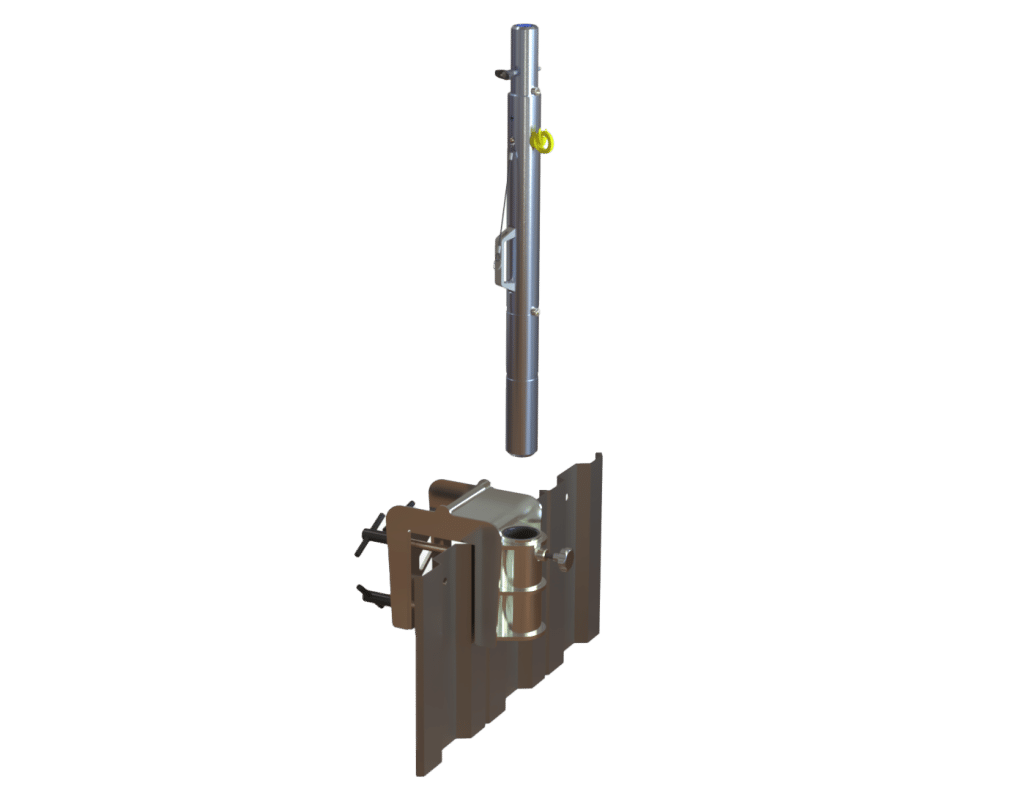
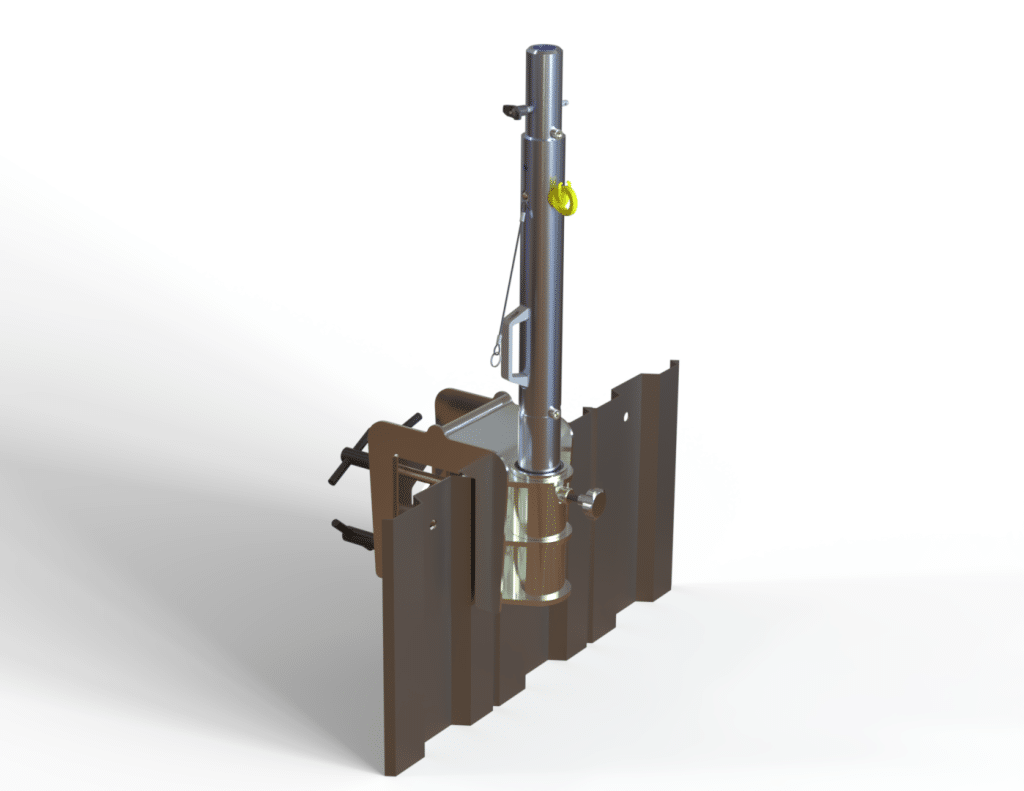
UNI-HOIST returns with a ground-up redevelopment — combining our heritage with advanced innovations for your safety.
Founded by the late George Mackay in 1989, UNI-HOIST products were the first of their kind and set the benchmark for the confined space access industry for decades to come.
Now under the ownership of Safehold, the UNI-HOIST range has evolved even further — honouring our heritage while introducing new innovations to enhance safety for the future.


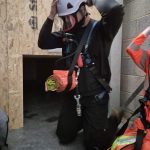
Our Work at Height and Rescue training has been well received, with a recent delegate leaving us some great feedback:
” Very well presented, clear and concise content. Very good equipment (harnesses, lanyards etc)”
We can design bespoke courses based on your work tasks and environment, or run our list of courses at our training centre, or on-site where safe training conditions allow. Get in touch for a no obligation consultation.